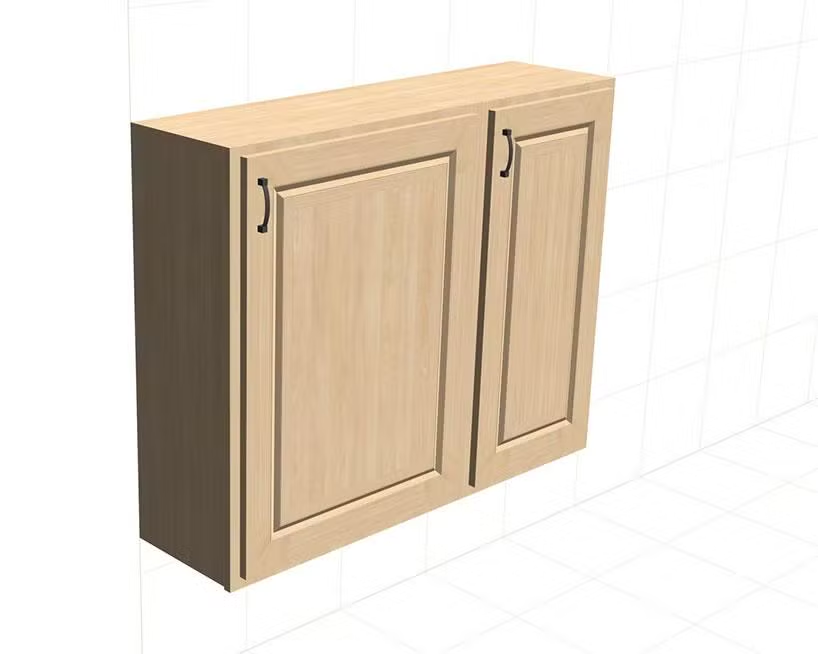
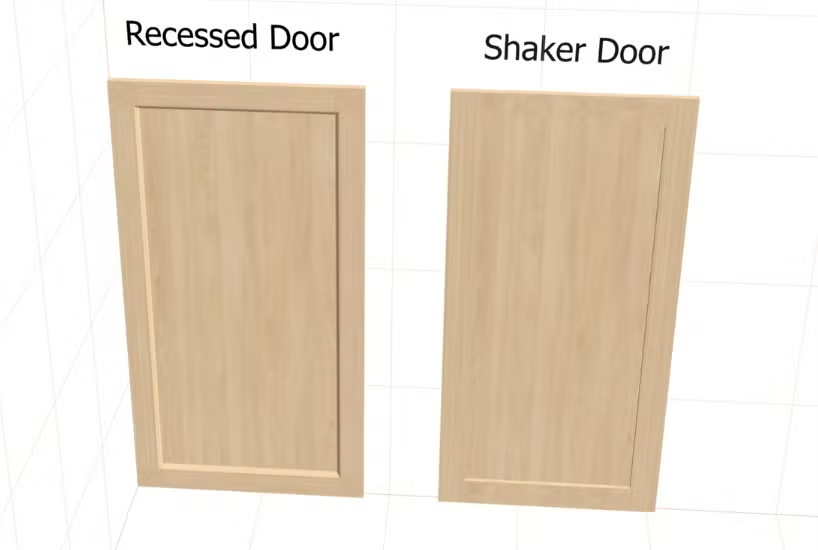
Wondering about the subtle yet distinct differences between shaker and recessed cabinet door styles? Shaker cabinet doors are renowned for their stark 90-degree angles, creating a sharp, modern recess in the panel.
Understanding Shaker vs. Recessed Cabinet Doors
On the flip side, traditional recessed panel doors typically feature a bevel or slant along the edge of the recess, giving it a more intricate appearance. This distinction stems from the craftsmanship; shaker panels are crafted using the precise cope and stick joinery method, contrasting with the mitered corners of standard recessed panels.
Designing these sophisticated door fronts is now more achievable than ever with Pro100 software, offering a powerful tool for visualizing and creating both shaker and recessed cabinet doors with accuracy. Whether you're a professional designer or a DIY enthusiast, harness the capabilities of Pro100 to bring your cabinet designs to life effective
Leveraging Pro100 Software for Effortless Design
The transition from conceptualization to creation is where the modern designer shines, and Pro100 stands at the forefront of software tools tailored for cabinetry design. With its intuitive interface and a suite of features, Pro100 allows users to visualize and customize recessed cabinet doors down to the finest detail.
Designers can tailor the recessed door's profile to match the desired aesthetic by adjusting factors such as panel depth, frame thickness, and stile and rail widths. The software accommodates multiple material types, finishes, and hardware selections, enabling a high level of customization that mimics real-world variations with precision.
Pro100 is the ultimate design software tailored for the creation of custom cabinetry, including the personalized touch of custom cabinet doors. With its user-friendly interface and powerful tools, crafting your dream cabinet doors has never been easier. Whether you're a professional designer or a DIY enthusiast, Pro100 empowers you to bring your vision to life with precision and style.
Shaker (Most Popular)
5-piece door with flat recessed center panel. Little detailing and clean square framed. Obtains modern, country, and transitional kitchens. The shaker-style cabinets are clearly the most used types of doors, with more than 57-64 percent of homeowners choosing the same in kitchen remodeling in the United States.

Flat Panel (Slab / Euro Style)
Single flat non-framed door. Very sleek and minimalist Characteristic of Scandinavian, modern and contemporary kitchens. The flat-plane cabinets are used in the remodeling of kitchens.

Raised Panel
The frame is raised higher than the center panel. More often than not includes ornamental edge drawings. Used in traditional and old kitchens. Usually 13 to 17 per cent of installations.

Recessed Panel
Similar to Shaker and can possibly have detailed inner edges. The frame of panel is deeper. Characteristic of transitional kitchens.
Beadboard
Vertical center panel grooves. Popular in: Farmhouse kitchens Cottage or coastal designs
Glass-Front Doors
Frame Wood with clear or frosted or decorative glass. Used mainly for:
- Upper cabinets
- Display cabinets
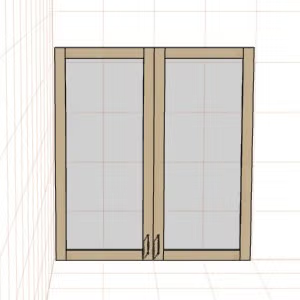
Mullion Doors
Like the glass doors but divided by parting grids or bars. Bears resemblance to an antique cabinet in France.

Louvered Doors
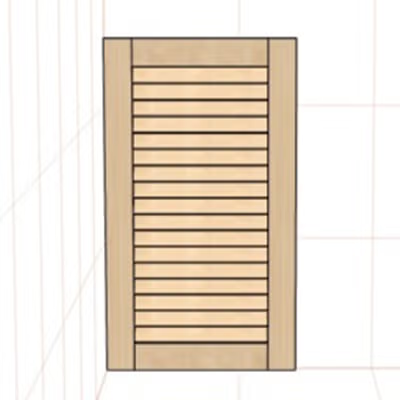
Made with horizontal slats Allow ventilation Often used for:
- Pantry cabinets
- Laundry rooms
Cathedral Arch
Curved top rail raised panel.
Square Raised / Mission Style
Raised or recessed square geometry panels. Famous in craftsman style houses.